

Supported accommodation provides a safe place to live while helping you develop the skills needed to become more independent.
From the age of 16 or 17, you may be able to move into semi-independent accommodation. This usually means living alongside other young people while receiving support from trained staff. They will help you develop practical life skills such as budgeting, cooking, cleaning, managing appointments and preparing for independent living.
Depending on your needs and circumstances, you may be able to stay in supported accommodation until the age of 20.
How do I access supported accommodation?
If supported accommodation is identified as the right option for you, your worker will complete a Supported Housing referral form on your behalf.
Your application will then be considered by the Supported Accommodation Panel, which meets every four weeks. The panel looks at:
- the accommodation available
- your individual needs and circumstances
- whether the accommodation is suitable for you
A decision will then be made about whether you should be added to a waiting list.
Supported accommodation options in Hartlepool
Anna Court - parent and baby unit
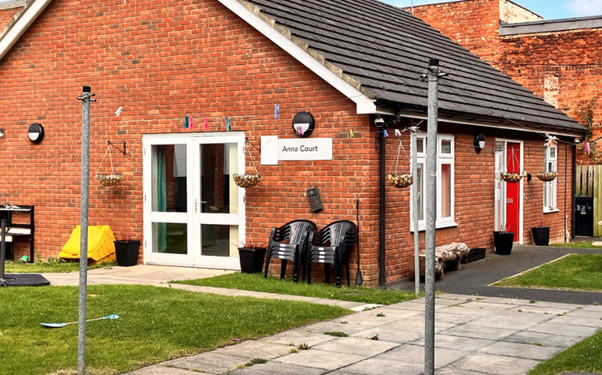
Anna Court supports young people and young parents aged 16 to 25 who need additional support while living independently.
You will work with staff to develop a personalised support plan, which may include help with:
- positive parenting
- tenancy support
- money management
- crisis prevention
- being a good tenant and neighbour
When you are ready to move on, staff can help you access other housing options and community-based support services.
Staff are available between 9am and 10pm Monday to Friday, and 9am to 8pm at weekends. An out-of-hours service is also available.
Victoria Road
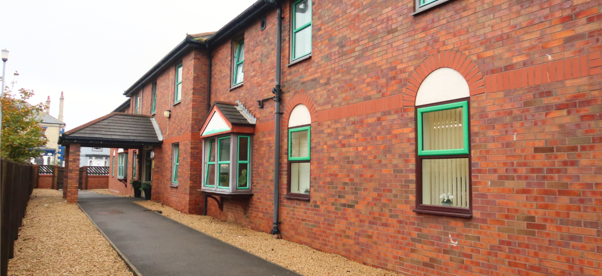
Victoria Road provides semi-independent accommodation for young people aged 16 to 25 who are care leavers, estranged from family, at risk of homelessness or homeless.
Residents are supported by a dedicated key worker who can help with:
- money management and opening a bank account
- education, training and employment
- registering with healthcare services
- accessing specialist support services
- tenancy management
- cooking, cleaning and daily routines
The accommodation includes shared living spaces, outdoor areas and facilities to support health and wellbeing. Staff are on site during office hours with a concierge available from 10pm. Access to staff in the event of an emergency is available after hours.
Rose House
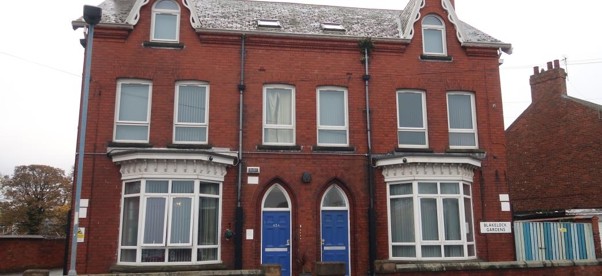
Rose House provides a range of accommodation options for young people aged 16 to 25 who are care leavers, estranged from family or in need of housing support.
Each resident is allocated a key worker who can support them with:
- managing money and budgeting
- education, employment and training
- accessing healthcare
- tenancy management
- cooking, cleaning and home maintenance
- accessing community services
Rose House is staffed 24 hours a day and includes communal areas for residents to socialise.
Gainford House
Gainford House provides specialist accommodation for people aged 18 and over who have a diagnosed learning disability and/or autism and require supported accommodation.
The service consists of self-contained flats, each equipped with essential household items, carpets, curtains and assistive technology tailored to individual needs.
Residents receive person-centred support from trained staff who are available 24 hours a day, including waking night support. The service is registered with the Care Quality Commission (CQC) and works closely with families, carers and other professionals to ensure support is coordinated and responsive.
Support may include help with:
- developing independent living skills
- managing money and maximising income
- maintaining physical and mental wellbeing
- building confidence and social connections
- accessing education, employment and community opportunities
- positive behaviour support
- making informed lifestyle choices
- meeting cultural, religious and personal needs
Each resident works with staff to develop a personalised support plan focused on their individual goals, strengths and aspirations. The aim is to help people build confidence, increase independence and participate fully in their community.
Referrals are made through social care services where specialist supported accommodation has been identified as the most appropriate option.